#121 Patrick Mouratoglou: Building Unshakeable Confidence
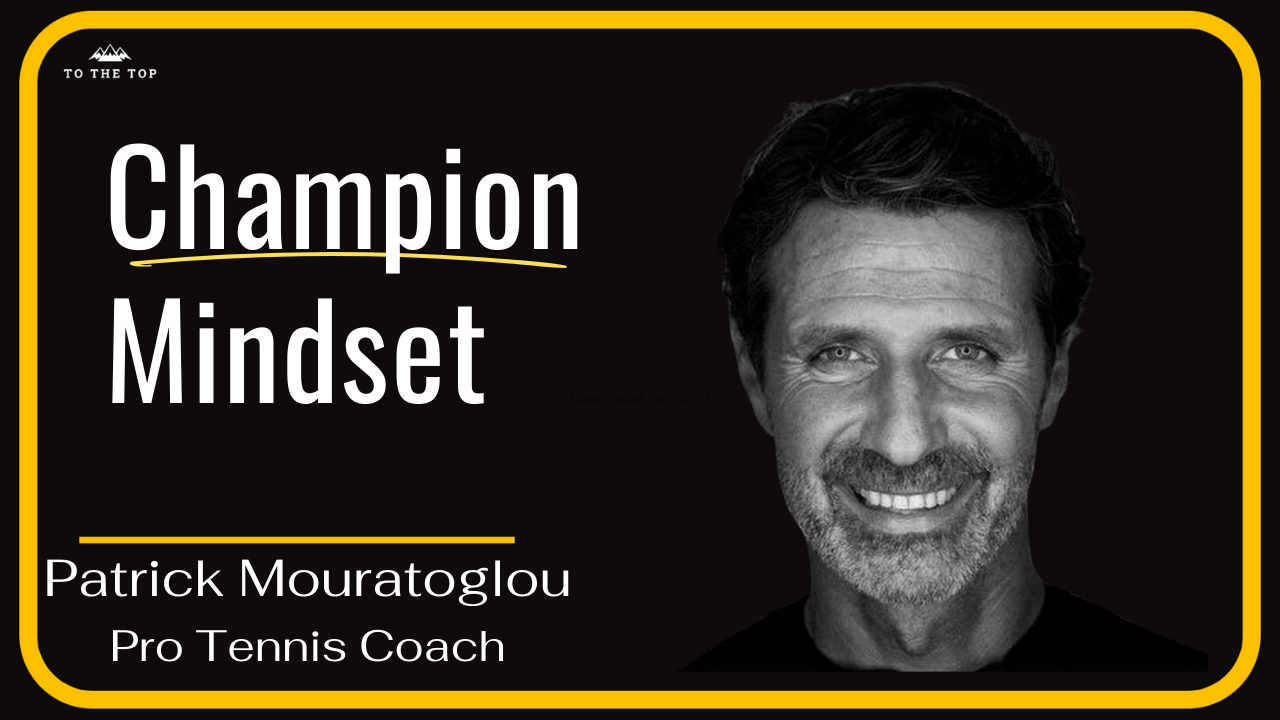
Patrick Mouratoglou is one of tennis's most successful and unconventional coaches, known for his work with Serena Williams during her dominant return to form—helping her win 10 Grand Slams and reclaim the world number one ranking. But his journey to the top began in the darkest of places: a childhood marked by crippling shyness, zero self-esteem, and such severe social anxiety that he couldn't make eye contact without fear of vomiting. When his dream of becoming a professional tennis player was crushed at 15, that rock bottom moment became the catalyst for an extraordinary transformation. Today, Patrick coaches the next generation of champions, founded the innovative Ultimate Tennis Showdown (UTS), and has written a book about the "progress zone"—the space where confidence is built through small, daily victories. His approach to coaching is refreshingly transparent in a sport known for secrecy, and his insights on building champions apply far beyond the tennis court.
What You'll Learn in This Episode:
Why the worst thing that happens to you might be the best thing—how Patrick's devastating rejection at 15 became the turning point that saved his life and launched his coaching career
The hidden truth about motivation—why players (and people) who seem "unmotivated" are actually protecting their confidence, and what really drives elite performance
How to rebuild someone's confidence from zero—Patrick's unconventional methods, including secretly rigging matches to create winning streaks and psychological breakthroughs
What separates champions from great players—the mindset traits of Serena Williams, Roger Federer, and Novak Djokovic that have nothing to do with talent
The art of hearing what people think, not just what they say—Patrick's most powerful coaching skill and why "the weather is nice" means completely different things in London versus Miami
Show notes:
[00:00] Introduction
Patrick's background and current work with rising star Holger Rune
The importance of coaches in sports
[05:30] The Darkest Chapter: Childhood Struggles
Growing up with severe social anxiety and zero self-esteem
Being physically sick from stress, unable to make eye contact
School as a daily nightmare of failure and humiliation
Tennis court as the only safe space
[12:15] The Turning Point: When Dreams Collapse
Being denied the chance to pursue professional tennis at age 15
How devastation became the "kick in the ass" needed to change
Starting 10 years of therapy while building confidence through action
The concept of "little victories" and daily progress
[20:45] The Power of Rock Bottom
Why the worst moments can provide the best opportunities
Developing empathy and communication skills through isolation
How early struggles shaped his coaching philosophy
Learning to put yourself in others' shoes
[28:00] Building Confidence from Zero: The Anna Story
Coaching a player with no self-esteem
The unconventional method of secretly rigging matches to build winning streaks
Why you can't build confidence without victories
The importance of creativity when you lack traditional coaching tools
[35:20] Coaching Serena Williams: The Reconnection
Joining Serena after two years without a Grand Slam
"I haven't met Serena yet" - calling out the real champion
The "top 3" moment that changed everything
Why champions think differently: the trophy in the trash story
Richard Williams' philosophy on confidence winning big points
[48:00] The Champion's Mindset
Passion and obsession as the #1 trait of exceptional performers
Confidence vs. arrogance: where's the line?
Why champions "don't respect anyone" on the court
Novak Djokovic's early confidence and being labeled "cocky"
The danger of thinking opponents are better than you
[58:15] The Progress Zone Philosophy
Why comfort zones keep you static
How to identify opportunities to live in the progress zone daily
Arthur Ashe's quote: "Start where you are, use what you have, do what you can"
The difference between judgment and learning from failure
[1:05:30] Dealing with Failure and Self-Judgment
Three ways people react to failure (blaming others, blaming yourself, or learning)
Why Americans are better at supporting vs. judging than Europeans
The baby learning to walk: acceptance without judgment
Roger Federer's commencement speech: winning only 54% of points
[1:15:45] Coaching at the Highest Level
Game planning against Roger Federer: the Mike Tyson approach
Communication as adaptation: knowing what to say, when, and how
The story of changing strategy mid-match based on reading a player's panic
Bob Brett's lesson: staying close while maintaining respect
[1:25:00] Difficult Relationships and Lessons Learned
The rocky start with Richard Williams and earning respect
Why complicated relationships can build the strongest bonds
The end of the Serena partnership: mistakes and reflections
Motivation vs. confidence: the real reason players seem unmotivated
[1:38:20] The Art of Coaching
Transparency in life vs. strategic coaching
"I don't listen to what people say, I hear what they think"
Why knowing nothing was his greatest strength
The danger of thinking you have all the answers
[1:45:00] Rapid Fire Wisdom
Favorite quotes and philosophies
"Be yourself, everyone else is already taken"
"I know that I know nothing" - Socrates
Why COVID became an opportunity to launch UTS
Key Quotes
"When you don't have tools, you'd better have creativity. That was my biggest strength as a coach—I knew nothing, so I had to think freely."
"Confidence is not a gift. Nobody's going to come and give it to you. You have to build it with little victories."
"Champions don't respect anyone on the court. It's not arrogance—it's confidence. If you think someone is better than you, you have no chance of beating them."
"There is no motivation without self-confidence. Zero. When you don't deeply believe you'll achieve your goals, you won't give 100%—it's a subconscious way to protect your confidence."
"The progress zone starts where your comfort zone stops. You have a hundred opportunities per day to live there. People just don't take them."
"Roger Federer won 54% of the points throughout his entire career and became one of the greatest players in history. Tennis teaches you to deal with frustration—because you'll lose almost as many points as you win."
"I hear what people think, not just what they say. If someone in London and someone in Miami both say 'the weather is nice,' they're thinking completely different things."